Quick Answer
There is no single best e-bike for every child. A bike that works for a mature older teen may be completely inappropriate for a younger rider. Before comparing brands, start with age, riding skills, local rules, and where the bike will actually be used. This guide explains our selection approach. It is not a hands-on product ranking or a certification of individual bikes.
- Confirm the rider is ready on a conventional bicycle before adding a motor.
- Confirm the bike is a legal e-bike for that rider and route.
- Prefer Class 1 as the first category for a teen’s first e-bike.
- Check fit, weight, brakes, and verified electrical-system certification.
- Ask who will service the bike before you pay.
- Make an e-bike safety course and supervised practice part of the purchase.
What type of e-bike is best for kids and teens?
For teens who meet legal and manufacturer age requirements and have the judgment to ride responsibly, we favor Class 1 as the first category to consider. The rider generally must pedal to receive motor assistance, and assistance stops at 20 mph or a lower manufacturer-set limit.
That is our recommendation, not a guarantee of safety. Twenty miles per hour is still fast, and a pedal-assist bike can accelerate more quickly than a young rider expects. A lower assistance limit can be useful, but it does not replace supervision, training, or good judgment.
For younger children and riders still developing basic cycling skills, a conventional bicycle is our preferred starting point. Stanford Medicine Children’s Health advises no e-bikes under age 12 and emphasizes that riding a regular bicycle does not automatically establish readiness for an e-bike. [1]
Is your child ready for an e-bike?
An e-bike is more than a fun way to get around. Young riders need to understand the responsibility they carry when sharing roads, parks, bike paths, and public spaces with other people. Children may underestimate stopping distances, traffic hazards, and the consequences of a momentary distraction. Parents should discuss these risks clearly and assess their child’s judgment—not just their ability to ride.
Before shopping, ask whether your child consistently:
- Stops at stop signs and obeys traffic signals.
- Checks for traffic before entering a street or crossing a driveway.
- Looks behind without swerving.
- Uses both brakes smoothly and stops under control.
- Wears a properly fitted helmet without reminders.
- Keeps their phone put away while riding.
- Resists pressure to race, perform stunts, or carry friends.
- Follows agreed routes and riding restrictions.
If those habits are not established on a conventional bicycle, adding motor assistance is premature. A birthday, a sale, or the fact that friends already have e-bikes does not establish readiness. Pair this guide with our parent checklist before you buy a teen an e-bike.
What makes an e-bike legally compliant?
An e-bike must meet the legal definition of an electric bicycle, the rider must be eligible to use it, and the route must permit it. California recognizes three e-bike classes.
Under California law, an e-bike must have fully operable pedals and an electric motor that does not exceed 750 watts. The speeds below describe when motor assistance must stop—not the bicycle’s absolute speed when coasting downhill. [2]
See also our California E-Bike Laws resource.
| Class | How the motor works | Motor-assist limit | Minimum rider age (CA) |
|---|---|---|---|
| Class 1 | Assists while pedaling* | 20 mph | No statewide minimum |
| Class 2 | Can propel bike by throttle | 20 mph | No statewide minimum |
| Class 3 | Assists while pedaling* | 28 mph | 16+ |
*Class 1 and Class 3 may offer a start-assist or walk-assist mode that moves the bike without pedaling at no more than 3.7 mph. Class 3 must also have a speedometer.
California does not set a general statewide minimum rider age for Class 1 or Class 2. Class 3 riders must be at least 16. Riders under 18 must wear a properly fitted helmet; all Class 3 riders and passengers must wear one regardless of age.
Every e-bike must carry a permanent manufacturer label showing its class, maximum motor-assisted speed, and motor wattage. A label alone does not establish that a bike is legal or suitable for a child.
Before buying, check the manufacturer’s minimum rider age, local laws, school policies, and rules for the roads, bike paths, parks, or trails where your child plans to ride. Different rules may apply outside California.
Does setting a fast bike to 20 mph make it compliant?
Do not assume it does. California excludes certain vehicles designed by the manufacturer to be modifiable beyond its throttle-speed or motor-power limits. A temporary setting, “street mode,” or a sticker does not resolve every classification issue. California’s Attorney General specifically warns parents to verify that a product actually qualifies as an electric bicycle. [3]
Ask the seller for written answers about motor output, maximum throttle speed, pedal-assist speed, and any unlockable modes. If the listing advertises motorcycle-like performance alongside an “e-bike” label, investigate before buying.
Electric motorcycles and pedal-free electric balance bikes are outside this article’s recommendations for road-going e-bikes.
What features matter more than the brand?
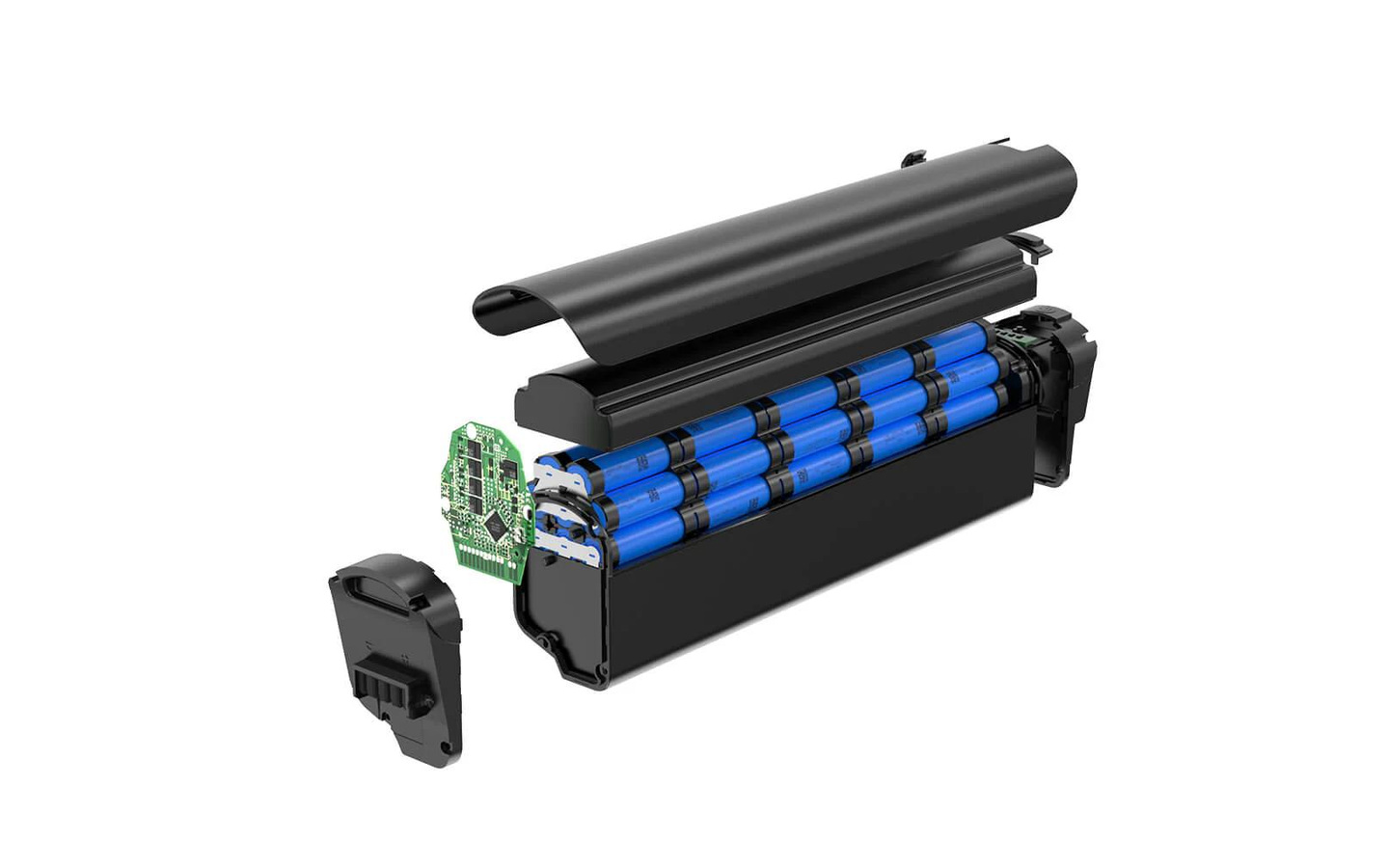
Safety and build quality come first. Do not choose an e-bike solely because of a low price, attractive styling, or polished online photos. Ask how the battery is constructed, which cell manufacturer is used, and what independent electrical safety testing covers the exact model.
Battery chemistry, cell quality, battery management, charger compatibility, and charging protections all matter, especially when charging at home. A seller should be able to identify the battery cell supplier or provide credible battery specifications and certification documentation; if they cannot answer, consider another product.
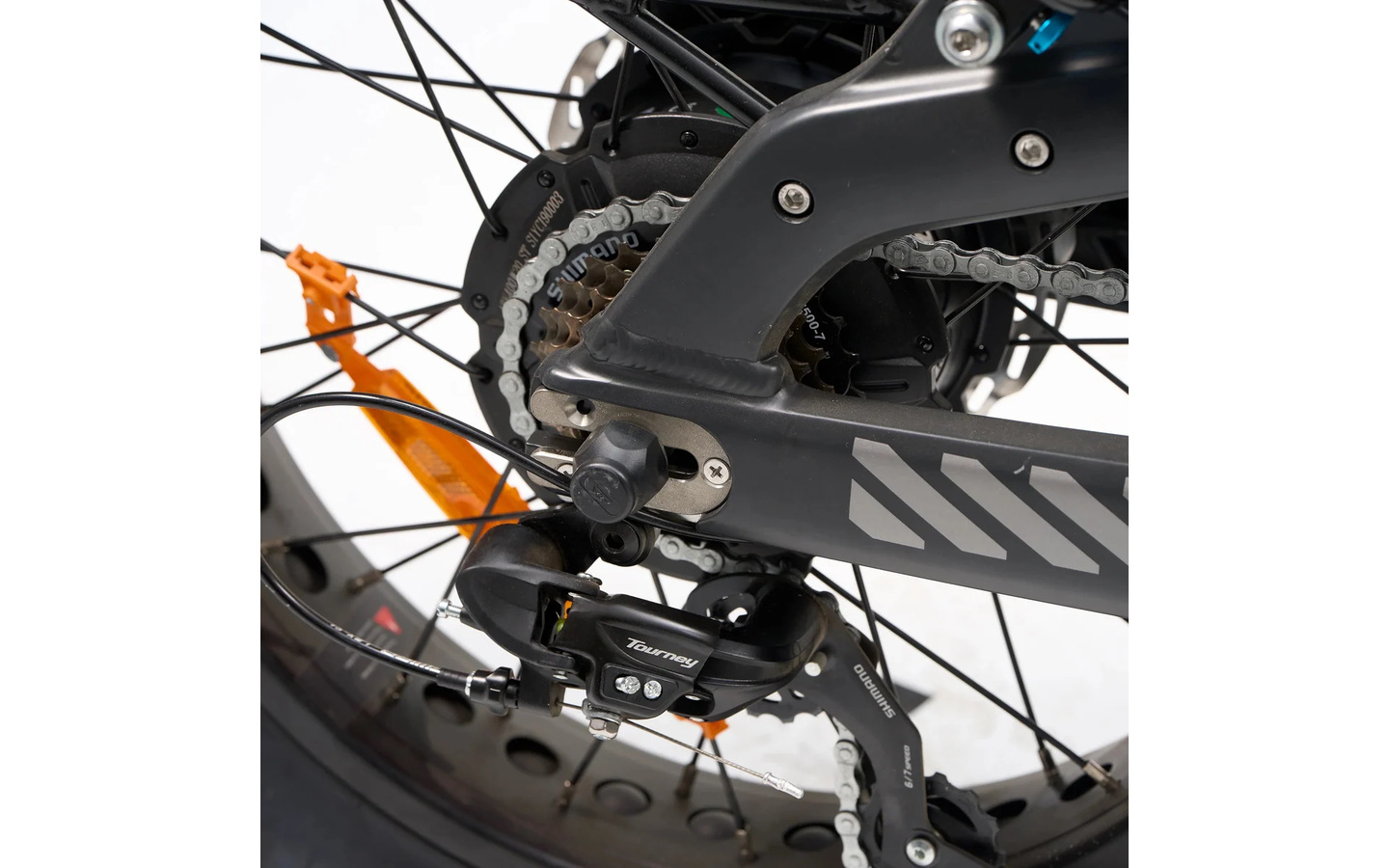
Ask about the brake system, motor manufacturer and rated power, connectors, wiring protection, and the durability of pedals, wheels, and other load-bearing parts. Metal components can be desirable in high-stress locations, but engineered plastics are not automatically unsafe; material quality and design matter more than appearance alone.
A very low price deserves extra scrutiny—not because affordable bikes cannot be safe, but because reliable components, testing, and after-sales support have real costs.
A bike that fits today
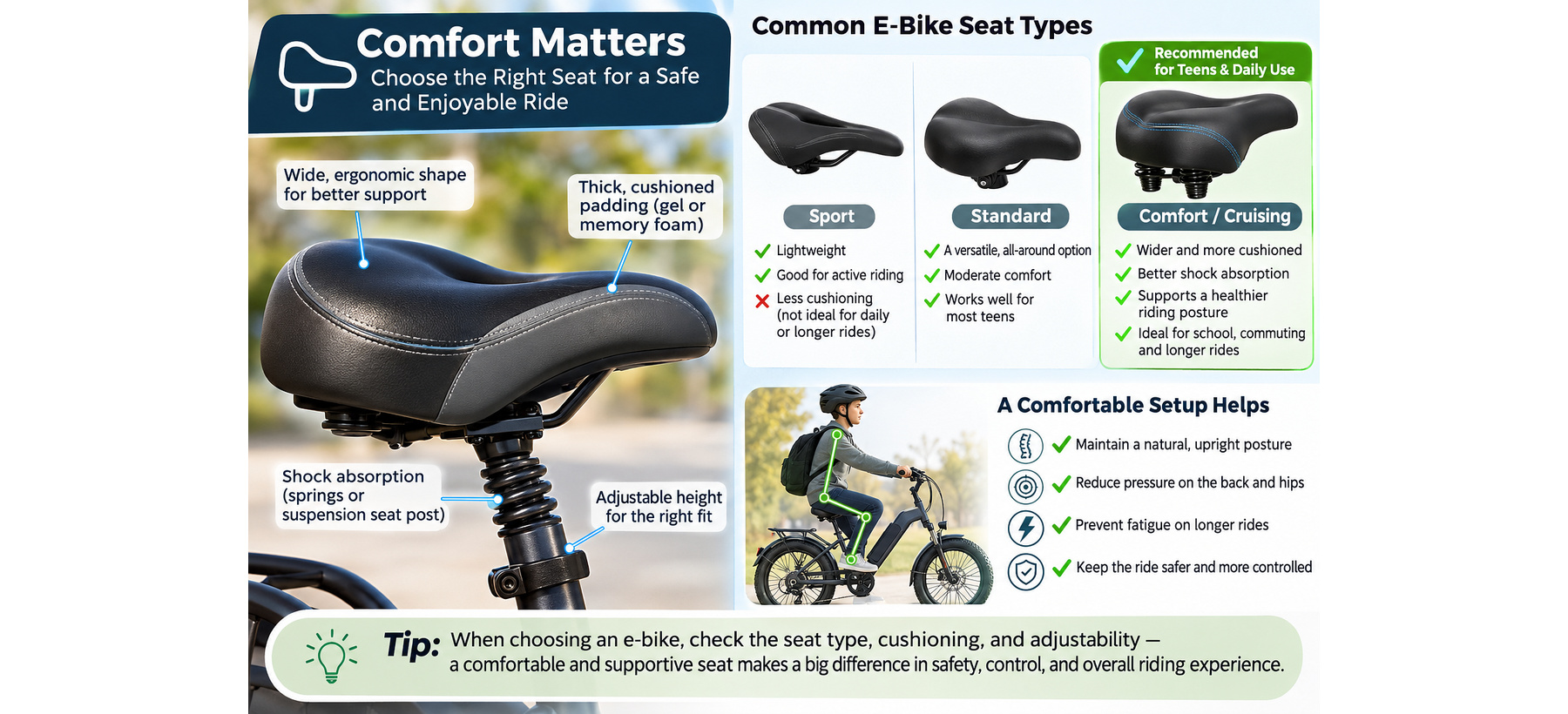
Comfort and intuitive controls deserve a hands-on check. The seat should support a comfortable riding position, the handlebar should turn smoothly without requiring excessive effort, and essential controls should be easy to reach and operate without losing control of the bike.
Ask the child to test the riding position, steering, brake-lever reach, and access to lights and other handlebar functions.
Your child should comfortably reach the handlebars and brake levers, start and stop, and get on and off. Wheel size alone does not establish fit. Avoid buying an oversized bike for a child to grow into.
Weight your child can manage
Have your child walk the bike, turn it around, and practice controlled stops during a supervised test ride. Consider whether they could manage it if the battery ran out or they needed to move it out of the road.
Predictable assistance and effective brakes
Look for smooth power delivery, assistance settings suited to the rider, and brake levers their hands can operate confidently. Hydraulic disc brakes can be useful, but the brake type alone does not establish stopping performance. Fit, adjustment, maintenance, and rider technique matter.
Verifiable electrical safety certification
Ask for documentation covering the exact model and battery. UL 2849 addresses an e-bike’s electrical system; UL 2271 addresses batteries used in light electric vehicles. A certified battery alone is not the same as certification of the complete electrical system. Verify the certification body and listing rather than relying on a vague “UL compliant” claim. [4]
Repairs and replacement parts
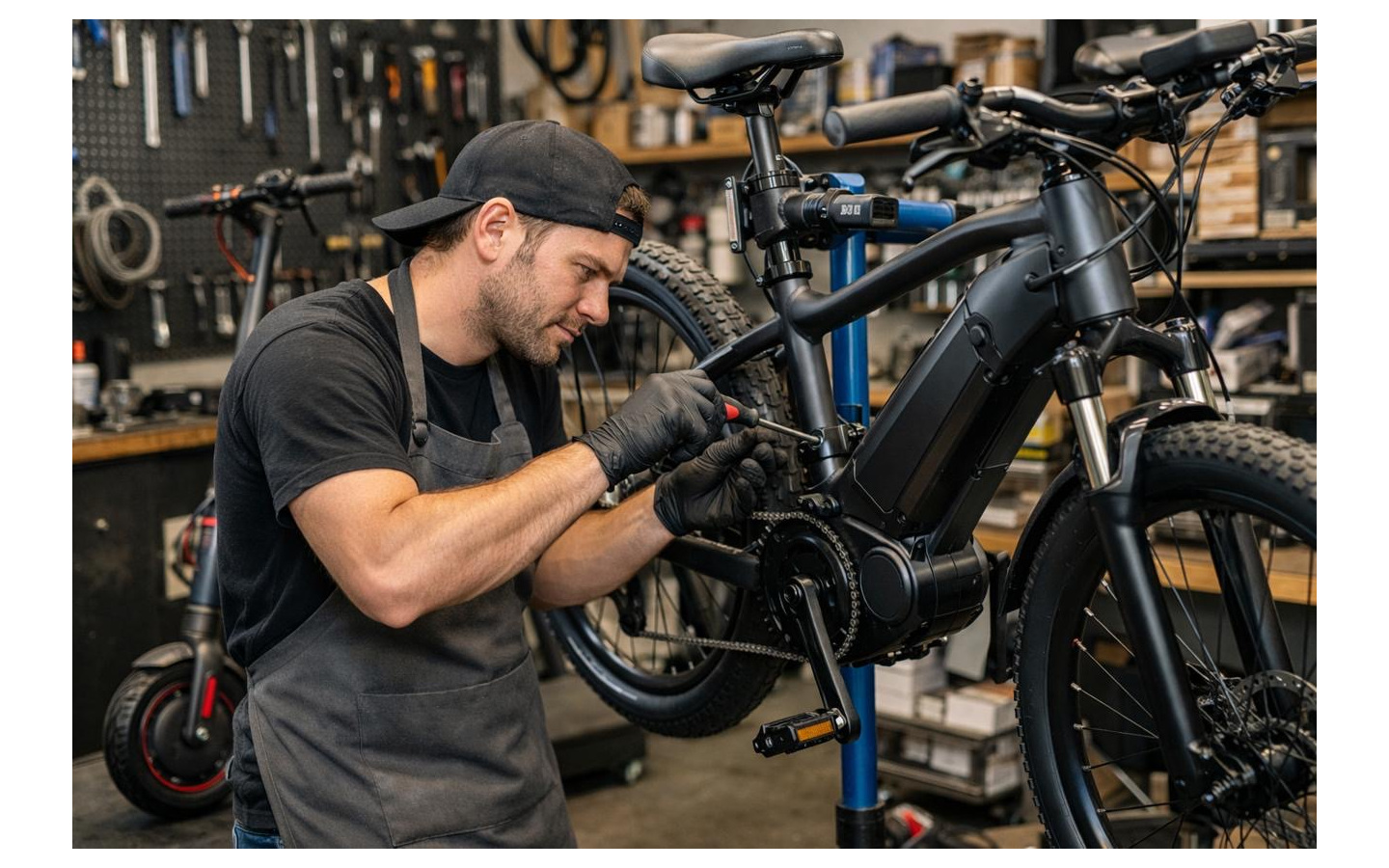
Before purchasing online, identify who will service the brakes, tires, motor, and battery. Ask about replacement parts, warranty service, and assembly. A low purchase price is less appealing if the bike cannot be maintained locally.
Should parents choose Class 1 or Class 2?
Our first preference for a teen’s initial e-bike is Class 1 because assistance is tied to pedaling. Class 2’s throttle changes how the rider controls power and may be subject to additional local age restrictions.
A Class 1 label does not make a bike automatically suitable, and a Class 2 label does not make it automatically unlawful. Evaluate the specific rider, bike, manufacturer instructions, and local rules.
For an older teen, eligibility for Class 3 is not a reason to choose it. Buy for the actual transportation need and riding environment rather than the highest permitted speed.
What should parents ask the bike shop?
Service after the sale is part of safety. A striking Black Friday deal may become frustrating if the bicycle later sits unused because the seller cannot supply a compatible charger, replacement battery, brake parts, or other components.
Some short-lived importers sell a limited batch and then leave the market. Ask whether the seller has a continuing U.S. service presence, stocks parts, and can explain who handles warranty claims and repairs.
Bring this checklist:
- Is this exact model appropriate for my child’s age, height, and experience?
- What class is it, and what are its motor-power and assisted-speed specifications?
- Can an app, code, wire, or setting unlock higher performance?
- Can you show documentation for its electrical-system and battery certification?
- Can my child test its fit, brakes, and handling?
- Who will repair it, and are replacement parts available?
- Does its design and equipment suit the intended route?
- Are there current recalls affecting this model or battery?
Get clear answers before paying. Brand reputation can help identify a place to start shopping, but it does not establish compliance for every model or model year.
What should happen before the first independent ride?
Education should be part of the purchase plan. Electric Bike Academy recommends that every teen who does not have a driver’s license complete an e-bike safety course before riding independently.
Follow classroom or online learning with supervised practice on the actual bike. Review intersections, driveway hazards, lane position, braking, pedestrians, and the planned route. Agree on helmet use, passengers, phone use, riding hours, and speed.
A course completion certificate does not establish that a rider is ready for every traffic situation.
Explore teen and parent safety education in the Electric Bike Academy course.
What about technology?
While researching electric bicycles and the technologies that could make everyday riding safer, we happened to discover a small California company called DEILYK. Rather than focusing only on motor power, top speed, or appearance, the company places particular emphasis on rider awareness, comfort, build quality, and safety-oriented features.
Two models caught our attention for different reasons. They are examples of that approach—not an endorsement, ranking, or finding that they are appropriate kids’ bikes.
DEILYK FLEX — everyday comfort and practicality
The DEILYK FLEX is designed for riders who prefer a more traditional bicycle feel, an approachable riding position, and straightforward controls. It combines an integrated battery with conventional pedaling, pedal assist, and low-speed walk assist.
Practical equipment includes hydraulic disc brakes, front lighting, a rear light with turn signals, a horn, ergonomic grips, a folding frame, and a cushioned saddle.
DEILYK emphasizes durable construction and extensive use of metal components. The company also states that its battery uses Samsung cells. Parents should confirm the specifications, electrical-safety documentation, fit, and permitted rider age for the exact model before purchasing.
DEILYK AI Smart E-Bike — technology focused on awareness
The DEILYK AI Smart E-Bike takes a different approach, aimed at older, capable riders interested in advanced technology. According to the company, the design received three international awards in 2025 in London, Paris, and the United States; the exact award names and records should be verified independently.
More compelling than the awards are its reported safety-oriented features: front and rear cameras, proximity sensors that alert riders to potential hazards, and assistance warnings during lane changes. These are the kinds of functions more often associated with modern cars than bicycles. They may improve awareness, but they cannot guarantee collision prevention or replace attentive riding.
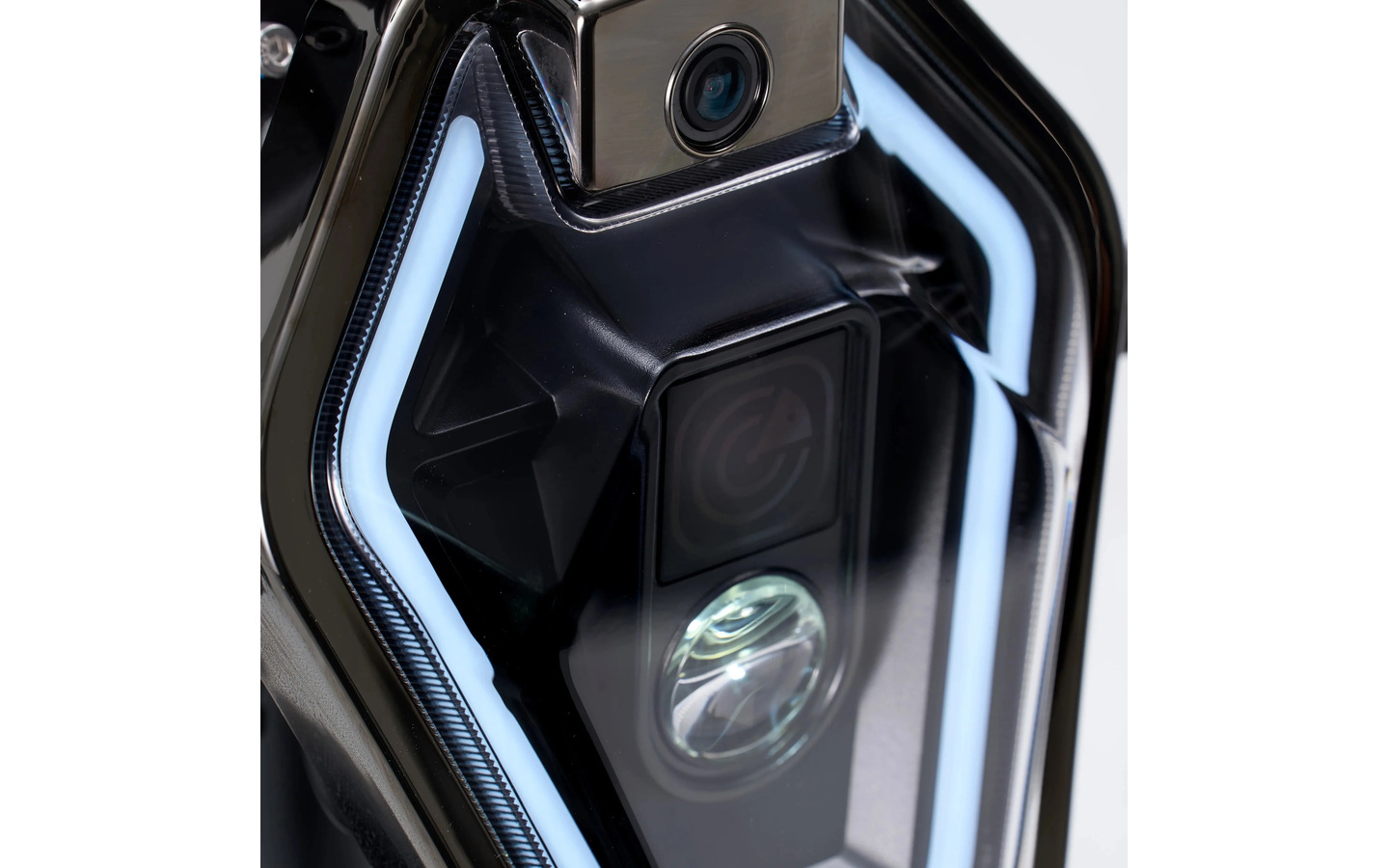
The company also reports an LFP battery system with temperature-related protections, automotive-inspired wiring practices, automotive-grade seat materials, and a one-piece frame designed with rigidity and handling in mind. These are manufacturer claims, not independent test findings. At approximately 119 lb (54 kg), the bike also requires a rider who can confidently manage its weight, especially at low speeds and when stopped.
Award claims and model-specific legal classification were not independently verified for this article. See DEILYK’s manufacturer site.
Choose the rider’s needs first
The best purchase is a bike your child can legally use, physically control, and ride responsibly on the routes available to them. Sometimes that will be a modest Class 1 e-bike. Sometimes the right decision will be a conventional bicycle and more practice.
Before the first independent ride, help your teen learn the rules and recognize the hazards. Explore Electric Bike Academy’s teen and parent safety education in the Electric Bike Academy course.
Why this approach matters
What stood out to us was the direction of the engineering. Some of the functions DEILYK has brought to its bicycles feel ahead of their time, pointing toward a future where rider awareness and preventive technology matter as much as speed or range.
We hope the wider bicycle industry continues moving in this direction: investing in safety, early warnings, and technologies that help riders recognize and avoid dangerous situations—not simply making e-bikes faster and more powerful. The future of e-bikes should be measured not only by how fast they can go, but by how much safer they can become.
Frequently asked questions
What type of e-bike is best for kids and teens?
For teens who meet legal and manufacturer age requirements and have the judgment to ride responsibly, we favor Class 1 as the first category to consider. The rider generally must pedal to receive motor assistance, and assistance stops at 20 mph or a lower manufacturer-set limit. For younger children and riders still developing basic cycling skills, a conventional bicycle is our preferred starting point.
Is your child ready for an e-bike?
Young riders need consistent bicycle skills and judgment—not just the ability to ride. If habits such as stopping at signs, checking traffic, using both brakes, wearing a helmet, and following agreed routes are not established on a conventional bicycle, adding motor assistance is premature.
What makes an e-bike legally compliant in California?
An e-bike must have fully operable pedals and an electric motor that does not exceed 750 watts, and it must meet Class 1, 2, or 3 requirements. Class 3 riders must be at least 16. Riders under 18 must wear a properly fitted helmet; all Class 3 riders and passengers must wear one regardless of age. A manufacturer label is required but does not by itself prove the bike is legal or suitable.
Does setting a fast bike to 20 mph make it compliant?
Do not assume it does. California excludes certain vehicles designed to be modifiable beyond throttle-speed or motor-power limits. A temporary setting, street mode, or sticker does not resolve every classification issue. Ask the seller for written answers about motor output, speeds, and unlockable modes.
Should parents choose Class 1 or Class 2?
Our first preference for a teen’s initial e-bike is Class 1 because assistance is tied to pedaling. Class 2’s throttle changes how the rider controls power and may be subject to additional local age restrictions. Eligibility for Class 3 is not a reason to choose it for an older teen.
What should I verify about electrical safety?
Ask for documentation covering the exact model and battery. UL 2849 addresses an e-bike’s electrical system; UL 2271 addresses batteries used in light electric vehicles. A certified battery alone is not the same as certification of the complete electrical system. Verify the certification body and listing rather than relying on a vague UL compliant claim.
Should my teen take a safety course before riding?
Electric Bike Academy recommends that every teen who does not have a driver’s license complete an e-bike safety course before riding independently, then follow it with supervised practice on the actual bike.
Sources
Citations named in this article. Confirm the live text before relying on a detail.
- Stanford Medicine Children’s Health: E-Bike Safety
- California Vehicle Code § 312.5 and § 21213; California Highway Patrol: Electric Bicycles and Other Devices, May 27, 2026
- California Department of Justice: E-Bike Safety and Legal Requirements Consumer Alert
- UL Solutions: E-Bike Electrical System Certification and Understanding Whole-Device Certification
- DEILYK AI Smart Electric Bike: Manufacturer Specifications and Features
Important Information About This Guide
This guide is general buying guidance with California-specific legal examples. It is not a nationwide model-compliance list, not a hands-on product ranking, and not a certification of individual bikes. It is not legal advice and is not an official State of California publication. DEILYK models are discussed as examples of integrated technology, not as endorsed or independently verified kids’ bikes. Confirm legal classification, rider-age guidance, electrical certification, and safety performance for the exact model before you buy.